Start with the business goal
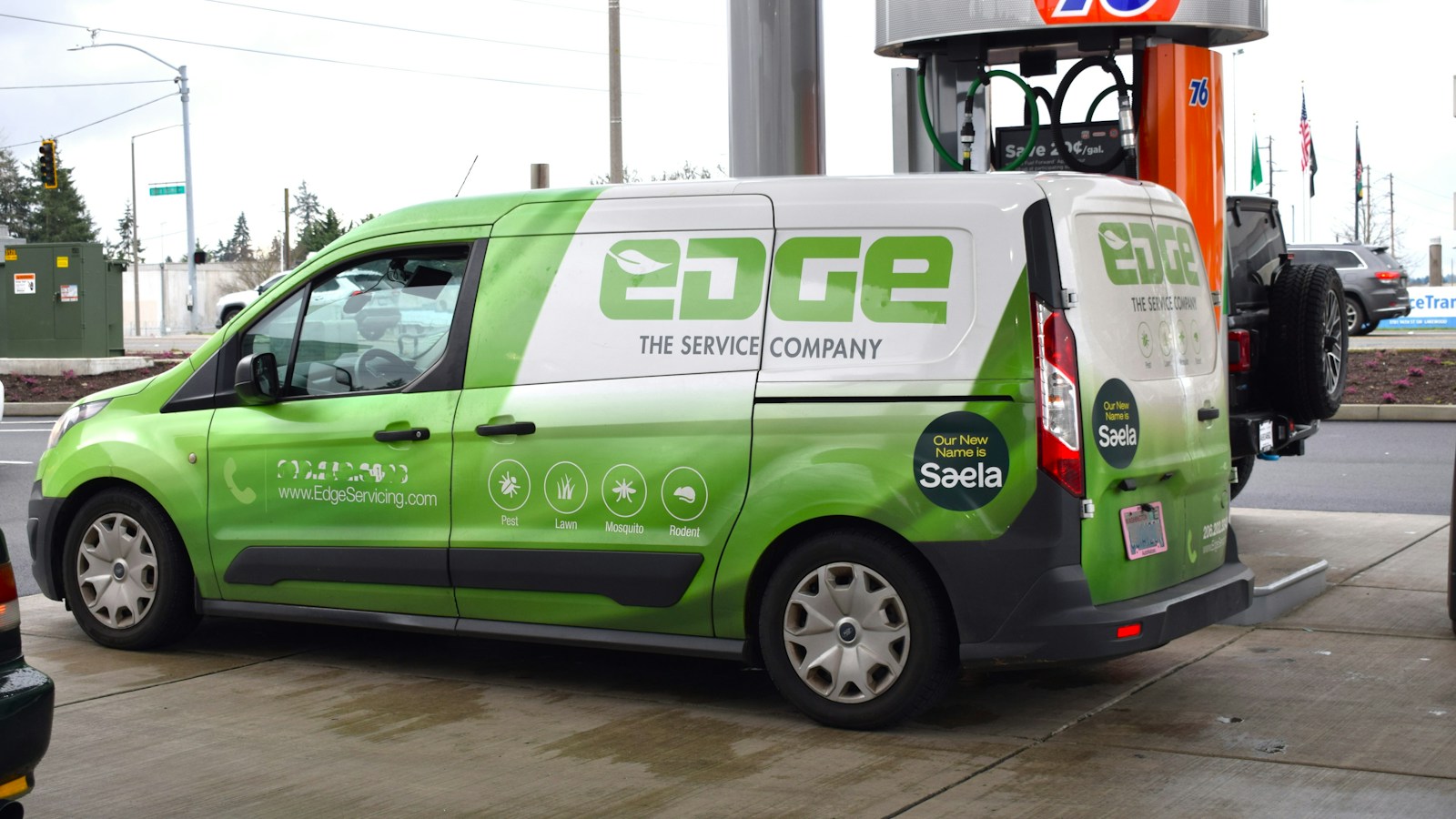
If your main goal is advertising, a wrap usually provides more flexibility than custom paint. It can carry logos, photography, service lists, phone numbers, and brand colors across complex body panels, then be removed when the vehicle is sold or the brand changes.
Paint makes more sense when the goal is a permanent color change, the vehicle needs extensive body repair, or the existing finish is too damaged for vinyl to bond correctly.
Cost and downtime
A commercial wrap is typically less expensive than a high-quality custom paint job and usually keeps the vehicle off the road for less time. Pricing depends on vehicle size, coverage, film choice, surface condition, and design complexity.
Do not compare a professional wrap with a low-cost respray. Preparation, material quality, and installer skill determine whether either finish looks professional and lasts.
What a wrap can and cannot protect
Vinyl provides a sacrificial layer against sun exposure and light surface abrasion, but it will not hide dents, rust, peeling clear coat, or failing paint. Those defects can show through the film and may pull away during removal.
Choose for the full ownership cycle
Consider how long you will keep the vehicle, whether branding may change, and what resale condition matters. For most service businesses and fleets, a properly designed wrap turns a necessary vehicle into a large, mobile impression without making the branding permanent.